Discover the ultimate guide to “What time is it?” with powerful insights into time zones, world clocks, history, and FAQs. Stay informed and never lose track of time again!
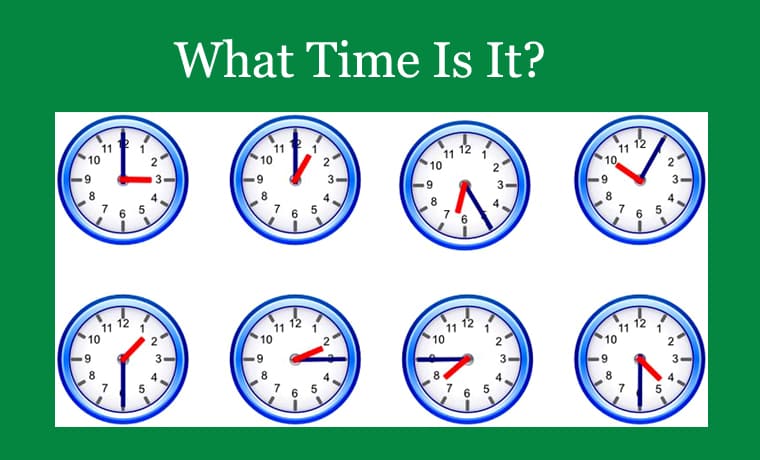
What Time Is It? A Complete Guide to Understanding Time
Introduction
Time is one of the most fascinating and essential aspects of human life. Every second, minute, and hour shapes the way we live, work, and connect with one another. When you ask, “What time is it?”, the answer may seem simple, but the concept of time is deeply complex, tied to science, culture, technology, and even psychology. In this article, we will dive into the meaning of time, how it is measured, why it differs across the world, and how to accurately check the current time anywhere.
The Meaning of Time
Time is a measure of the ongoing sequence of events that move from the past, through the present, and into the future. Philosophers see time as an endless flow, while scientists measure it precisely using atomic clocks. Time helps us schedule our day, understand history, and prepare for the future. Without time, society as we know it could not function.
How Is Time Measured?
From ancient sundials to modern atomic clocks, humans have always been obsessed with tracking time. Here are some key ways time is measured:
- Sundials – The earliest method of measuring time using the shadow of the sun.
- Mechanical Clocks – Invented in the Middle Ages to regulate daily life.
- Quartz Clocks – Use vibrations of quartz crystals for accuracy.
- Atomic Clocks – The most precise, measuring time by the vibrations of atoms.
Why Does Time Differ Across the World?
When you ask, “What time is it?”, the answer depends on your location. The Earth is divided into 24 time zones, each representing one hour of the day. For example, when it is 12:00 PM in London, it may already be 8:00 PM in Tokyo. This difference is essential for international travel, communication, and business.
Daylight Saving Time (DST) also adds complexity by shifting clocks forward in summer and backward in winter in many countries.
How to Find Out the Exact Time Anywhere
- Use a Smartphone Clock – Every smartphone syncs automatically with the global network time.
- World Clock Apps – Easily check the time in multiple countries.
- Google Search – Simply type “What time is it in [city]?” and get instant results.
- Atomic Clock Websites – For ultra-precise measurements.
The Importance of Asking “What Time Is It?”
Time is not just about clocks—it reflects our productivity, our memories, and our connection with the universe. Being aware of the time helps us manage daily routines, avoid missed opportunities, and live in harmony with others across the globe.
You May Like: Security in the Contemporary World
Frequently Asked Questions on What Time Is It?
Q1. Why do we have different time zones?
Time zones exist because the Earth rotates on its axis. As different parts of the Earth face the sun, they experience day or night. To keep daily life organized, the world is divided into 24 standard zones, each one hour apart.
Q2. What is the most accurate clock in the world?
The most accurate clock is the atomic clock, which measures time based on the vibrations of cesium or rubidium atoms. These clocks are so precise that they lose only one second in millions of years.
Q3. What is UTC time?
UTC stands for Coordinated Universal Time, which is the global standard for timekeeping. It is used in aviation, computing, and science to ensure consistency across the world.
Q4. Why do some countries use Daylight Saving Time?
Daylight Saving Time was introduced to make better use of daylight during summer months. By shifting clocks forward, people enjoy longer evenings. However, not all countries follow this practice, and its usefulness is debated today.
Q5. How can I check the current time without a clock?
Traditionally, people used the sun’s position to guess the time. Today, you can ask digital assistants like Siri, Google Assistant, or Alexa, or simply type “What time is it?” into Google for an instant answer.
Q6. Does time ever change speed?
In daily life, time feels constant, but scientifically, time is relative. According to Einstein’s Theory of Relativity, time moves differently depending on speed and gravity. Astronauts, for example, experience time slightly differently than people on Earth.
Conclusion
The question “What time is it?” may sound simple, but it carries deep significance. Time governs our world, helps us stay connected, and reminds us of life’s fleeting nature. Whether you’re scheduling a meeting, calling a loved one abroad, or simply pausing to reflect, knowing the exact time helps you live more intentionally. With modern technology, you can always stay updated and never miss a second of your life. 0 0 0
Feedback Note
Dear Reader,
We hope you enjoyed reading our comprehensive guide on “What time is it?” and found it both helpful and insightful. Since time is such an important part of our daily lives, we would love to hear your thoughts. Did this article answer your questions about “What time is it?” in different countries, time zones, and everyday use? Was the explanation simple and easy to follow?
Your feedback is very valuable to us because it helps us improve our content and make it more useful for readers like you. Please share your comments, suggestions, or even your own experiences about asking “What time is it?” in unique situations such as travel, work, or communication with people across the world.
If you think there is more we can add to make this guide on “What time is it?” even better, let us know. We are always open to making improvements that serve your needs.
Thank you for taking the time to read, and we look forward to your valuable feedback.