“Discover the essentials of email marketing in our article: Fundamentals of Email Marketing comprehensive guide. Learn strategies, and best practices, and get answers to frequently asked questions to boost your email campaigns effectively.”
Fundamentals of Email Marketing: Comprehensive Guide
Fundamentals of Email Marketing
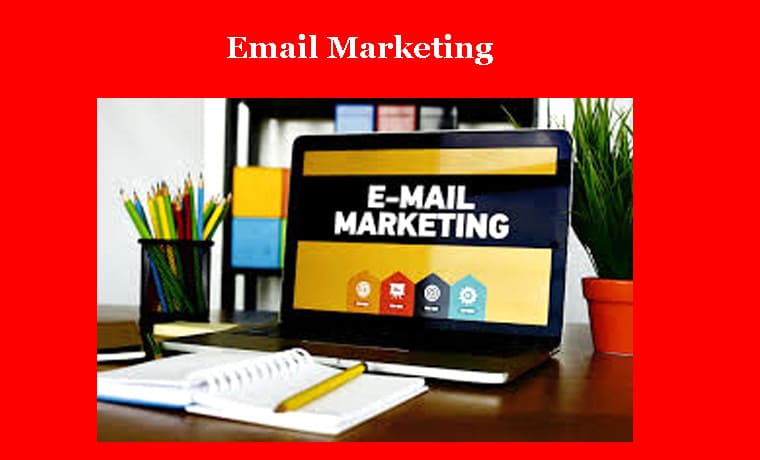
This article is about the Fundamentals of Email Marketing. In this article, some tips and techniques are given to inspire new email marketers and remind professionals about the best practices.
Humanization of Communication
Emails sent from an individual engage far better than emails from a company unless, of course, you’re from a reputed company like Reliance.
Mind the Length
A major driver of email open rates is subject lines that perform best when they are long or short. Subject lines that are 60 to 70 characters long drive neither open rates nor click-through engagements. Research shows that subject lines longer than 70 characters increase click-to-open rates.
Keep the Subject Line Relevant and Attractive
Great subject lines can open up, but if they aren’t relevant to the content of the email, the opportunity for engagement is lost. Even worse, a subject line beyond the subject may prompt the recipient to mark your email as spam.
Be Concise
Be concise while writing an email. Always bear in mind that anything superfluous in email begets nothing but retreat only.
Focus on Benefits
Fill your email with amazing benefits that can be realized by using your widget instead of boring features and functions. Craft the message so that it directly impacts the prospect encouraging engagement and action.
Consider Your Call-to-Action Placement
Don’t be afraid to have multiple call-to-action buttons, but make sure at least one is on top of the fold. It is also better to have multiple target locations than a single target location.
Make Your Call-to-Action Copy Interesting
Use benefits-based content that resonates in your call-to-action buttons. Common terms like “download,” “submit” and “click here” are less likely to generate any meaningful growth. Instead, use a copy like “Join the Fun” or “Enjoy the Benefits Now.”
Front-Load Link
Link the first few words of the first sentence to the first paragraph. When the email is initially opened, this is where the eyes turn. Being in the form of a hotlink increases email clicks.
Purity Beats Personalization
Consider using just “Hello” and omitting the contact’s name until you are 100 percent certain that your contact names are accurate and formatted correctly. There’s no greater turnoff than an email that begins with a misnomer like “Dear Valsamariel.”
Create an Easy to Read Layout
Design your emails so they are easy to read on any device: mobile, desktop, or tablet. Use large fonts in a one-column layout to increase legibility.
Use Color Wisely
Colour helps draw the eye where you want it, but that doesn’t mean you should use five different competing colors in your email to highlight different sections. Nor does it mean that a specific colour will increase conversion when added to a call-to-action button. Instead, use a single bright colour that is part of the colour palette of the email to make the call-to-action “pop.”
Use High-Quality Images
Images attract email readers. Use clear, appropriate-sized images that the email copy supports because people are attracted to facial features when looking at images.
Hope that you are benefited from the article. Please drop a line in the comment box. 0 0 0.
Fundamentals of Email Marketing: FAQS
Long Answer Type FAQs
1. What is email marketing and why is it important for businesses?
Email marketing is a digital marketing strategy that involves sending emails to a targeted group of people to promote products, services, or brand messages. It is crucial for businesses because it offers a direct line of communication with customers, allowing for personalized and relevant content delivery. Email marketing helps in building strong customer relationships, driving traffic to websites, increasing sales, and improving brand awareness. It is cost-effective and provides measurable results through analytics, enabling businesses to refine their strategies and achieve better ROI.
2. How can I build an effective email marketing list?
Building an effective email marketing list involves several key steps: Opt-in forms should be placed on your website, blog, and social media channels to capture email addresses. Offer incentives such as eBooks, discounts, or free trials in exchange for email sign-ups. Create dedicated landing pages with compelling calls to action to encourage sign-ups. Provide additional valuable content in exchange for an email address within your blog posts. Use registrations from webinars or events to collect email addresses. Run social media campaigns and contests that require email sign-ups for participation. Collect business cards at events and conferences, and request permission to add them to your list. Always ensure compliance with data protection laws and offer an easy opt-out option to maintain a high-quality and engaged email list.
3. What are some best practices for creating engaging email content?
Creating engaging email content requires attention to several best practices: Personalization is key, so use the recipient’s name and tailor content based on their preferences and behavior. Craft intriguing and relevant subject lines to increase open rates. Provide valuable information, tips, or offers that resonate with your audience. Keep your message clear and to the point to maintain reader interest. Use images, videos, and a clean design to make your emails visually appealing. Include clear and compelling calls to action to guide recipients towards desired actions. Ensure your emails are mobile-friendly as many users access emails on their smartphones. Regularly test different elements of your emails (A/B testing) use analytics to understand what works best and continuously improve your strategy.
4. How can I measure the success of my email marketing campaigns?
Measuring the success of email marketing campaigns involves tracking various metrics: Open rate indicates the effectiveness of your subject line and sender name. Click-through rate (CTR) measures the engagement and relevance of your content. The conversion rate reflects the overall effectiveness of your email in driving action. The bounce rate indicates issues with your email list quality. The unsubscribe rate helps you understand the relevance and satisfaction of your content. The list growth rate shows the effectiveness of your list-building strategies. Return on investment (ROI) provides a clear picture of the profitability of your email marketing efforts.
Short Answer Type FAQs
1. What is a drip campaign?
A drip campaign is a series of automated emails sent at specific intervals to nurture leads or guide subscribers through a sales funnel.
2. How often should I send marketing emails?
The frequency depends on your audience and goals, but generally, once a week or bi-weekly is a good starting point to keep your audience engaged without overwhelming them.
3. What is a good open rate for email marketing?
A good open rate varies by industry but generally ranges between 15% and 25%.
4. How can I reduce my email bounce rate?
To reduce bounce rates, regularly clean your email list, ensure email addresses are correct, and use double opt-in methods for subscriptions.
5. What is the CAN-SPAM Act?
The CAN-SPAM Act is a law that sets rules for commercial emails, requiring transparency, the inclusion of an opt-out mechanism, and the prohibition of deceptive subject lines.
6. What is an email autoresponder?
An email autoresponder is a tool that automatically sends a pre-written email in response to a user action, such as subscribing to a newsletter.
7. How do I avoid my emails going to spam?
To avoid spam, use a reputable email service provider, authenticate your domain, avoid spammy words, and ensure your recipients have opted-in to receive your emails.
8. Why is segmentation important in email marketing?
Segmentation allows you to divide your email list into specific groups based on criteria like behavior or demographics, enabling more targeted and relevant messaging.
9. What is an A/B test in email marketing?
An A/B test involves sending two versions of an email to a small portion of your list to see which performs better, then sending the winning version to the rest of your list.
10. How can I improve my email click-through rate (CTR)?
Improve CTR by crafting compelling content, using strong calls-to-action, segmenting your audience, and ensuring your emails are visually appealing and mobile-friendly.
11. What do you know about the origin and history of Email marketing?
Introduction
Email marketing has evolved significantly since its inception, becoming a crucial component of digital marketing strategies. The history of email marketing can be traced back to the early days of the internet, and its development reflects broader changes in technology, consumer behavior, and marketing practices.
The Early Days (1970s-1980s)
The concept of email itself was pioneered in the early 1970s. Ray Tomlinson, a computer engineer, sent the first electronic message in 1971. This marked the beginning of email as a form of communication. However, it wasn’t until 1978 that email marketing was born. Gary Thuerk, a marketing manager at Digital Equipment Corporation (DEC), sent the first unsolicited commercial email to around 400 potential clients via the ARPANET. This email advertised DEC’s new range of computers and resulted in $13 million in sales, demonstrating the potential of email as a marketing tool.
Growth and Regulation (1990s)
The 1990s saw the commercialization of the internet and the widespread adoption of email. Marketers quickly recognized email’s potential for direct communication with consumers. However, the lack of regulations led to an increase in spam emails, which annoyed users and threatened the credibility of email marketing.
In response, legislation began to emerge to regulate email marketing practices. The U.S. government introduced the CAN-SPAM Act in 2003, setting rules for commercial emails and giving recipients the right to stop receiving emails from specific senders. This law required marketers to include accurate header information, provide an opt-out mechanism, and avoid deceptive subject lines.
The Rise of Email Service Providers (2000s)
The 2000s witnessed the rise of email service providers (ESPs) like Mailchimp, Constant Contact, and AWeber. These platforms made it easier for businesses to manage their email campaigns, offering tools for list management, automation, and analytics. The use of ESPs allowed marketers to segment their audiences, personalize content, and track the performance of their campaigns more effectively.
During this period, email marketing became more sophisticated. Techniques such as A/B testing, dynamic content, and triggered emails became standard practices. Marketers started focusing on building relationships with subscribers by providing valuable content rather than merely pushing sales messages.
Mobile Optimization and Personalization (2010s)
The 2010s brought significant changes to email marketing due to the rise of smartphones and mobile internet usage. Email campaigns had to be optimized for mobile devices, leading to the adoption of responsive design. Marketers began to realize the importance of creating emails that looked good and functioned well on both desktop and mobile screens.
Personalization became a key focus during this decade. With advancements in data collection and analysis, marketers could tailor their messages to individual recipients based on their preferences, behaviors, and past interactions. This shift towards personalized marketing resulted in higher engagement rates and better customer experiences.
Modern Email Marketing (2020s and Beyond)
Today, email marketing continues to evolve, driven by advancements in technology and changes in consumer behavior. Artificial intelligence (AI) and machine learning are playing increasingly important roles in optimizing email campaigns. AI-powered tools can analyze vast amounts of data to predict recipient behavior, automate content creation, and send emails at optimal times for each individual.
Interactive emails, featuring elements like carousels, quizzes, and videos, are becoming more common, offering recipients engaging and immersive experiences. Additionally, privacy concerns and regulations such as the General Data Protection Regulation (GDPR) in Europe have made it essential for marketers to prioritize data security and obtain explicit consent from subscribers.
Conclusion
The history of email marketing reflects its transformation from a simple communication tool to a sophisticated marketing channel. Despite the challenges posed by spam and changing regulations, email marketing has proven its resilience and adaptability. It remains a powerful way for businesses to connect with their audiences, build relationships, and drive sales. As technology continues to advance, email marketing will likely continue to evolve, offering new opportunities for marketers to engage with their customers in meaningful ways. 0 0 0.
N.B. If you have found the article: Fundamentals of Email Marketing, share your thoughts and comments with us.
You May Like:
Related Searches: