Discover the eternal wisdom of ‘a thing of beauty is a joy forever,’ discover its meaning, historical significance, and its enduring relevance in art, nature, and the human experience. Learn how beauty inspires joy and enriches life across cultures and ages.
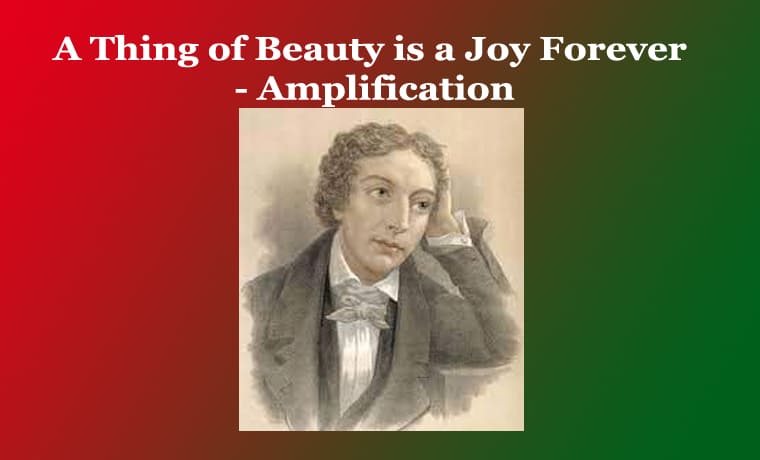
A Thing of Beauty is a Joy Forever – Amplification
Introduction:
The saying “A Thing of Beauty is a Joy Forever” is a poetic expression that highlights the timeless happiness derived from beauty.
General Meaning:
On the surface, this saying suggests that beautiful things possess the power to bring enduring joy. Witnessing true beauty can fill our hearts with happiness that lingers, perhaps even forever.
Deeper Meaning:
Delving deeper, it reveals a profound concept. It goes beyond the beauty of physical objects, encompassing the beauty in nature, art, music, and kindness. Finding joy in these experiences leaves an enduring impact on our hearts and minds, like a gift that keeps on giving.
Moreover, it teaches us to value and cherish the beauty around us, urging us to seek and appreciate it daily. In a challenging world, recognizing and embracing beauty becomes a constant source of joy and comfort.
Conclusion:
In conclusion, “A Thing of Beauty is a Joy Forever” serves as a reminder of the lasting happiness beauty brings. It encourages us to appreciate beauty in various forms, ensuring a reservoir of joy that stays with us, offering solace and happiness even in challenging times. 0 0 0.
A Thing of Beauty is a Joy Forever: A Comprehensive Study
Introduction
The phrase “A thing of beauty is a joy forever,” written by the English Romantic poet John Keats in his poem *Endymion*, reflects the timeless and enduring value of beauty. Beauty, in its various forms – nature, art, human relationships, or moments of sublime pleasure – has the power to transcend time and bring constant joy to the beholder. It inspires the soul, provides solace in difficult times, and fosters a sense of appreciation for the wonder of existence. This essay discusses in depth the deeper meaning of the phrase, its implications for the human experience, and its relevance across cultures and ages.
Superficial Meaning
At first glance, the phrase seems to suggest that a beautiful object or experience provides pleasure beyond the immediate moment. For example, a breathtaking landscape or a masterpiece of art can evoke feelings of joy every time it is recalled or revisited. The aesthetic pleasure derived from such encounters lasts for a long time, filling life with sweetness and light.
Keats implies that beauty is not fleeting; it transcends the boundaries of time. The memory of something beautiful, once experienced, becomes an indelible part of the human psyche. This superficial explanation underscores beauty’s ability to uplift the spirit and provide lasting comfort.
Deeper Meaning
On a deeper level, this phrase reflects the philosophical idea that beauty has an intrinsic quality that nourishes the soul. It is not limited to physical appearances or tangible objects; beauty can be found in abstract concepts such as love, truth, and compassion. The pleasure it brings is not just sensory but also spiritual, as it aligns with our innermost aspirations for harmony and meaning.
Keats, a Romantic poet, saw beauty as a source of profound wisdom and a connection to the eternal. For example, the beauty of nature is a constant reminder of life’s cyclical rhythms and interconnectedness. A blooming flower in the forest or a starlit night sky evokes a sense of awe and humility, encouraging introspection and a deeper appreciation of existence.
Conclusion:
Moreover, the lasting joy that beauty brings is also evidence of its transformative power. Beauty can inspire creativity, heal emotional wounds, and foster a sense of unity. It teaches us to find grace in life’s imperfections and celebrate moments of excellence amid the mundane.
—
A Thing of Beauty is a Joy Forever: Examples in Cultures and Art
1. Literature and Poetry
Shakespeare’s *Sonnet 18* praises the eternal nature of beauty captured in poetry: “So long as man can breathe, or eyes can see, / So long it lives, and it gives life to thee.” Like Keats, Shakespeare highlights how immortal beauty in art continues to bring joy.
2. Art and Music
The works of artists such as Leonardo da Vinci, Michelangelo, and van Gogh have resonated through generations, demonstrating the timeless appeal of beauty. Similarly, the music of composers such as Beethoven and Mozart enthrals listeners, transcending cultural and temporal boundaries.
3. Nature and Spirituality
In many spiritual traditions, nature is revered as the embodiment of divine beauty. From the cherry blossoms of Japan to the majestic Himalayas, the natural world has inspired countless philosophies and spiritual practices.
4. Human Acts of Beauty
Beauty is also evident in acts of kindness and love. Stories of selflessness and compassion, such as the sacrifices of Mahatma Gandhi or Mother Teresa, remind us that moral beauty can be as enduring as aesthetic beauty.
A Thing of Beauty is a Joy Forever: Relevance in Modern Times
In today’s fast-paced and often chaotic world, recognizing beauty is more important than ever. Whether through mindfulness practice, engagement with art, or connection with nature, moments of beauty offer relief from stress and uncertainty. They encourage us to pause, reflect, and reconnect with life’s deeper purpose.
Furthermore, the digital age has expanded access to beauty, allowing people to share art, stories, and experiences on a global scale. Yet, it also presents challenges, as the superficial glorification of beauty can sometimes hide its true essence. Keats’ message reminds us to seek beauty that resonates with the soul rather than fleeting, superficial attractions.
“A thing of beauty is joy forever” encapsulates the enduring power of beauty to enrich human life. Beyond its aesthetic appeal, beauty provides spiritual nourishment, increases resilience, and inspires humanity to strive for higher ideals. It is a source of solace in adversity, a spark for creativity, and a ray of hope in an ever-changing world.
Keats’s timeless words urge us to cherish beauty in all its forms and recognize its role in shaping a more harmonious and meaningful existence. By doing so, we not only honor the poet’s vision but also enrich our own lives with joy that transcends the moment and lasts forever.
A Thing of Beauty is a Joy Forever: FAQs
What does the phrase mean?
It means that beauty, once experienced, continues to bring joy and comfort long after the initial moment has passed. This highlights the timeless and enduring nature of beauty.
Who wrote “A thing of beauty is a joy for ever”?
English Romantic poet John Keats wrote this phrase in his poem Endymion.
What are examples of beauty that give lasting joy?
Examples include nature (sunrise, flowers), art (painting or sculpture), music, literature, and acts of kindness or love.
How does beauty affect our lives?
Beauty uplifts the spirit, provides emotional and spiritual healing, inspires creativity, and fosters a sense of appreciation for life.
Is beauty only physical?
No, beauty goes beyond physical appearance to include inner qualities such as kindness, compassion, and truth, as well as abstract ideas and natural wonders.
Why is this phrase relevant today?
In a fast-paced and often stressful world, recognizing and cherishing beauty helps provide moments of peace, inspiration, and connection.
How does Keats connect beauty to eternity?
Keats suggests that beauty, whether captured in art or remembered in the heart, has an immortal quality that continues to bring joy indefinitely.
Can beauty be subjective?
Yes, beauty often depends on individual perception. What one person finds beautiful may differ from another’s perspective, making it a deeply personal experience.
Some More Amplification You May Like: